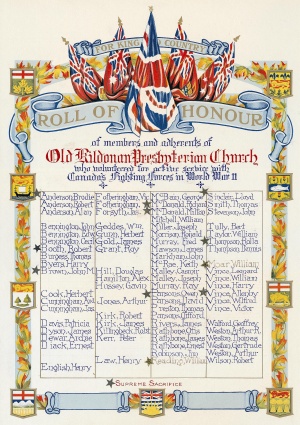
Scattered thoughout the cemetery are numerous military markers, serving as a reminder of the various conflicts Canada has been engaged in over the past century. Most are markers for veterans of the First and Second World Wars. This hallowed ground is a fitting place to remember the many young men who made the supreme sacrifice while fighting for their country. Among the headstones marking the Second World War Veterans is a large number of missing or killed in action while serving with the Royal Canadian Air Force. With Winnipeg at the center of the British Commonwealth Air Training Plan, many young men from the community trained and served overseas as aircrew.
Lt. Allan A. McLeod, V.C., R.A.F., is one of the youngest Victoria Cross winners ever, who shortly after returning home became a victim of the world-wide influenza epidemic in 1918.
Sgt. W.Y. Robertson, D.C.M., was killed at Passchendaele in 1917. (The Distinguished Conduct Medal was awarded to non-commissioned officers.)
Sqn. Ldr. Brodie Anderson, D.F.C was killed over Germany in 1944. His family is commemorated in one of the beautiful stained glass windows of the old church.
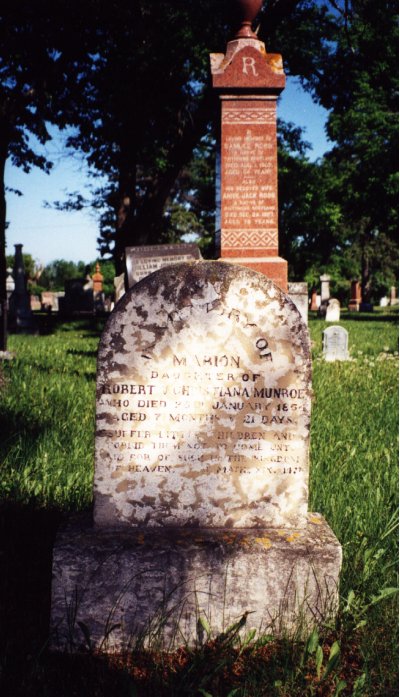
The oldest marker still existing is for little Marion Munroe, who died on the 25th of January 1854, at the age of seven months and 21 days. A large number of settler families buried infants and children in the cemetery, reflecting the high mortality rates of the young at this time. Survival was challenging in this remote, isolated community where medical services were not readily available.
Bannatyne
Andrew Graham Ballenden Bannatyne (1829-1889)
Born in South Ronaldsay, Orkney Islands, Scotland. Bannatyne joined the Hudson’s Bay Company service at age 14, later becoming a free trader. He arrived at the Red River Settlement in 1849, and according to one historian, left the company to marry Annie McDermott because junior clerks were not allowed to wed. In 1857 he was arrested by the HBC for illegal trading, but was released by recorder Francis Johnson in a decision agreed with by the HBC’s London Committee. By 1868 he was in partnership with Alexander Begg, running what quickly became the largest merchant firm in Red River, and propelling him to a major role in the rise of early Winnipeg. He sought to act as a conciliator during the troubled times of 1869-70, serving as postmaster in Louis Riel’s provisional government on the condition that it seek terms from Canada. Although the English speaking community was critical of him, he was appointed Winnipeg’s first postmaster in 1871. The same year he helped found the St. Andrew’s Society and an early lodge of the Freemasons in Manitoba. For several years he supported Louis Riel’s political pretensions and helped seek Ambroise Lepine’s release from prison. He was himself elected to the House of Commons in 1875, but he devoted most of his attention to business and local philanthropy, helping to organize the Winnipeg General Hospital for example. He also played in Winnipeg’s first curling match in December 1876.
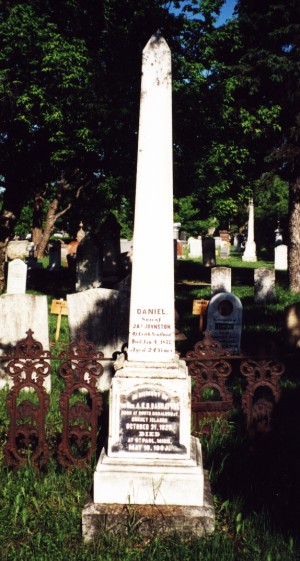
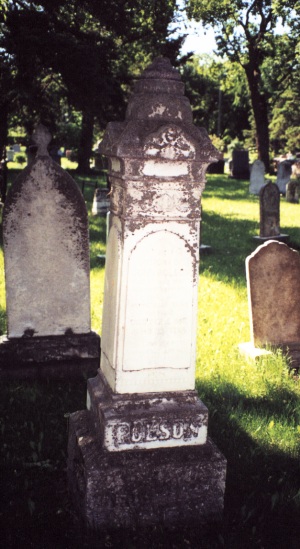
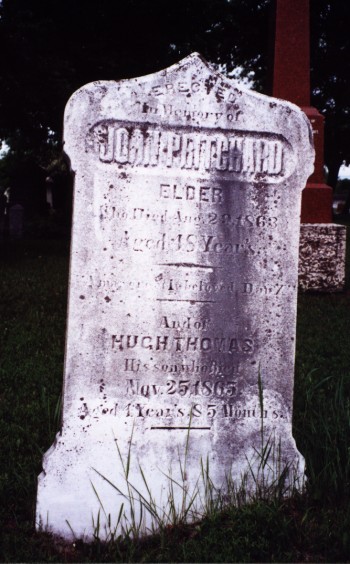
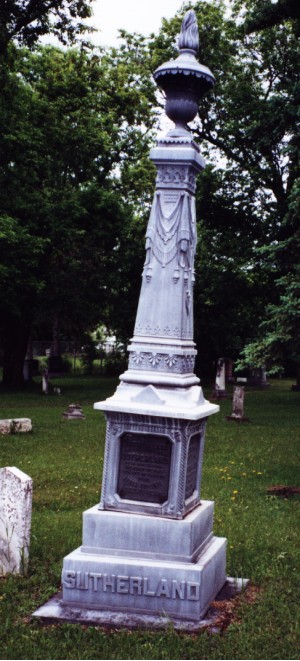
The names of many of the streets of Winnipeg are found on the headstones and markers in Kildonan Cemetery. Bannatyne, McDermot, Pritchard, Henderson, Matheson, Murray, Munroe, Polson, Sutherland, Bannerman, Salter and Templeton are prominent examples.
Polson
Pritchard
Sutherland
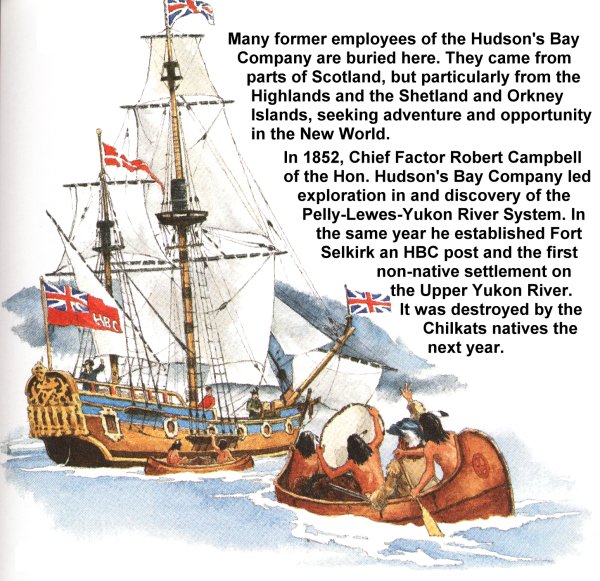
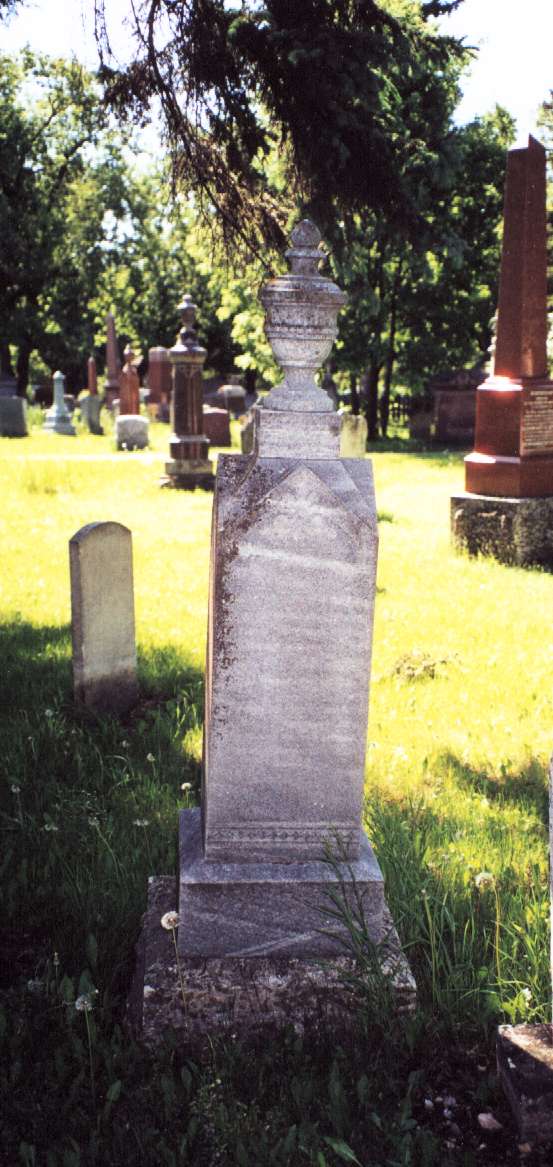
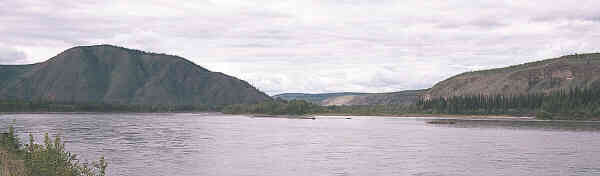
Tomb stone and Pelly-Lewes-Yukon River
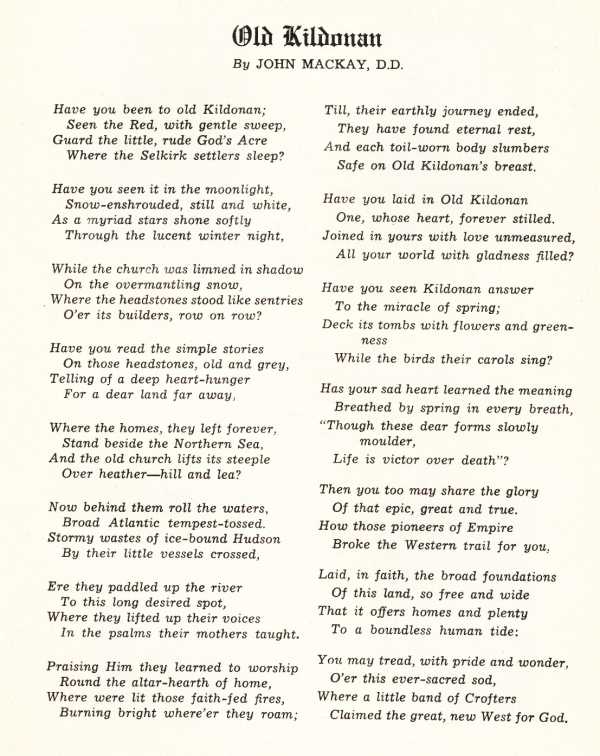
Have you been to old Kildonan
Seen the Red with gentle sweep
Guard the little rude, God's Acre
Where the Selkirk settlers sleep
- John Mackay
- Opening verse of Old Kildonan